

How to Know If You Need a Filling
The benefits of maintaining good dental health go far beyond having a great smile. After all, dental health plays an outsized role in your overall health and quality of life.
Tooth decay, left untreated, can lead to more than cavities—it can result in infections, pain and expensive treatments. These issues can escalate quickly, sometimes requiring root canals or extractions if the decay reaches deeper layers of the tooth.
One of the most common treatments for decay is a dental filling. However, how to know if you need a filling isn’t always obvious. This guide walks you through the key signs, prevention tips and treatment options, so you can make informed decisions about your dental care.
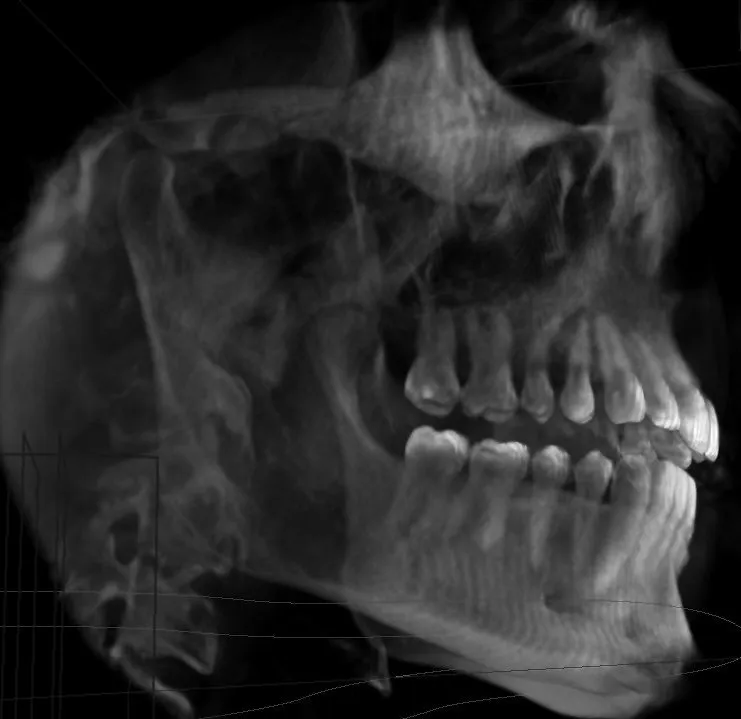
Introduction to Dental Health and Fillings
Dental health is essential because oral conditions can affect everything from nutrition to speech to self-confidence. Poor oral health has even been linked to conditions like heart disease and diabetes, highlighting its importance far beyond the mouth.
According to the CDC, nearly 90% of adults aged 20 and older have had at least one cavity. The good news? Preventing and treating cavities promptly can prevent further complications. Early intervention not only saves your teeth but also reduces the risk of costly or invasive treatments later on.
A dental filling is a restorative procedure that repairs a tooth damaged by decay, restoring its function and preventing further deterioration. Dentists may recommend a filling when decay has created a cavity, when a tooth is cracked or even after a root canal.
Common types of dental fillings include:
- Composite fillings: Tooth-colored and often used on visible teeth.
- Amalgam fillings: Silver-colored, durable and cost-effective.
- Porcelain and gold fillings: Long-lasting but more expensive options.
Understanding your options helps you determine the best choice with your dentist. Each material comes with its own pros and cons, so your dentist can help you weigh aesthetics, durability, cost and personal health factors.
Early Signs of Cavities and Tooth Decay
Cavities can start forming long before you feel pain. That’s why recognizing the early signs of tooth decay is crucial. Without treatment, what begins as a minor surface issue can quickly progress into deeper decay that threatens the tooth’s structure.
You may need a tooth filling if you notice:
- Tooth pain or aching, especially while chewing
- Tooth sensitivity to hot, cold or sugary foods
- Visible holes, pits or dark spots
- Staining that doesn’t go away with brushing
- Rough areas or chipped edges you can feel with your tongue
Even if you don’t notice symptoms, dentists often spot early signs during a routine dental check-up using mirrors, tools or dental X-rays. Early detection often allows for simpler, less invasive treatment. That’s why it’s important not to delay your regular dental visits—even when everything feels fine.
The Role of Diet and Oral Hygiene in Preventing Cavities
Prevention is the most effective strategy in dental health; your diet and hygiene practices significantly impact the health of your teeth.
Bacteria in your mouth feed on sugars, producing acids that wear down enamel and cause cavities. Over time, repeated acid attacks can erode enamel and lead to small holes—cavities—that require treatment to stop further damage.
To protect your teeth, follow these best practices for oral hygiene:
- Brush twice daily with fluoride toothpaste
- Floss once a day to remove food and plaque
- Use fluoride mouthwash as needed
- Avoid frequent snacking, especially on sugary or starchy foods
- Drink fluoridated water
Your diet also plays a vital role. Limit acidic beverages and sugary snacks and opt for foods rich in calcium and fiber. Dairy products, leafy greens, nuts, fruits and vegetables help strengthen enamel and stimulate saliva flow, which naturally protects teeth. These habits contribute to preventing tooth decay naturally.
Understanding Dental Fillings
You might be wondering: how do you know if you need a filling? Some signs are obvious, like unbearable pain or a chipped tooth. Other times, only a dentist can confirm it through an exam or X-ray.
Fillings are recommended when decay has created a hole in your tooth or if an old filling is failing. Left untreated, cavities can spread and lead to infections, abscesses or even tooth loss. That’s why a simple filling can help you avoid more invasive procedures like crowns or root canals.
Composite fillings are popular due to their natural appearance—they bond well to tooth enamel and are ideal for cosmetic dentistry. In contrast, amalgam fillings may last longer but are more noticeable. The decision often comes down to balancing aesthetics, cost and durability based on where the filling will be placed.
If you’re unsure which type of filling is best for your needs, a dentist can walk you through your choices during a consultation. Learn more about your options for a dental filling and how your dentist can help you choose the right material.
Dental Procedures: X-Rays, Fillings, and Aftercare
A standard part of dental exams, dental X-rays help spot cavities that aren’t visible on the surface. They also show decay under existing fillings and between teeth. X-rays are safe and usually taken annually, or more often if needed.
Once a cavity is confirmed, the filling procedure is typically quick and straightforward. Your dentist will:
- Numb the area with local anesthesia.
- Remove decayed material from the tooth.
- Clean and prepare the cavity.
- Insert the filling material and shape it to match your bite.
Taking care of your teeth after the procedure is key to ensuring your filling lasts and heals properly. Aftercare tips include:
- Avoid chewing on hard or sticky foods for 24 hours.
- Expect some tooth sensitivity for a few days.
- Maintain daily brushing and flossing.
Proper aftercare improves the longevity of your tooth fillings and reduces the chance of complications. Be sure to ask your dentist about specific aftercare tips for dental procedures based on your filling type.
Stay Ahead of Tooth Trouble
A healthy smile starts with informed choices and consistent care. Being proactive about dental health helps you avoid discomfort and high costs; seemingly small decisions today can save you from major dental work tomorrow.
Here are the most important takeaways to keep in mind:
- Dental health awareness is essential for overall wellness.
- Know the early signs of a cavity, including tooth pain and sensitivity.
- Practice best oral hygiene and limit sugar intake to prevent tooth decay naturally.
- Consult your dentist if you notice changes; they may recommend a tooth filling.
- Understand the differences between composite, amalgam and other filling materials.
- Follow proper aftercare and take advantage of insurance or financing options.
Understanding how to know if you need a filling empowers you to take the right steps at the right time. Contact us to schedule your dental exam and keep your smile strong, healthy and confident.
Comments are closed.