

Signs of Gum Recession to Watch Out For
Changes in your gums can be very easy to overlook, especially since they tend to happen gradually. You may notice that something looks or feels different without realizing it could point to gum recession. Paying attention to those changes can help you catch a problem before it becomes a major issue.
Read on to learn about the main signs of gum recession, what causes the condition, and what you can do to help protect your gums. We’ll also cover what to expect during gum recession treatment.
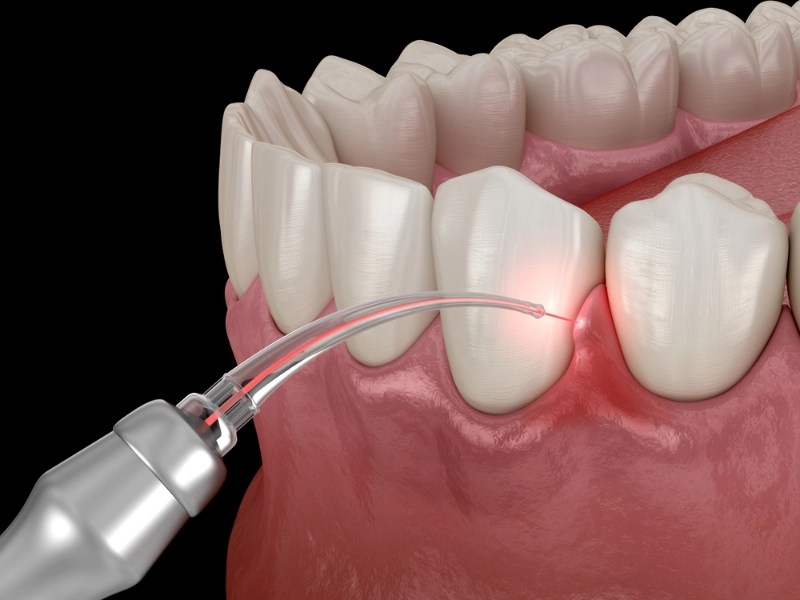
What Are the Signs of Gum Recession?
Gum recession happens when the gum tissue surrounding a tooth wears away or pulls back from its normal position. As that happens, part of the tooth’s root can become exposed.
Tooth roots don’t have the same protective enamel that covers the visible part of your teeth, so exposed areas may be more vulnerable to sensitivity, wear, and decay.
One of the clearest signs is a visible shift in your gum line. A tooth may look longer than the teeth beside it, or you may notice a small notch near the bottom of the tooth. The gums can also look uneven, especially when recession affects only one area.
New or increasing sensitivity is another common warning sign. You may feel a jolt of pain near your gum line with hot coffee, cold water, or sweets, and sometimes when cool air hits your teeth or gums. Sensitivity doesn’t always mean your gums are receding, but we recommend getting it checked out.
Bleeding gums can be another warning sign, especially when there’s no obvious reason for it. Bleeding during brushing or flossing may point to inflammation or gum disease, both of which can contribute to recession.
Persistent bad breath can also signal a problem below the gum line. Bacteria can collect around the teeth and in deeper spaces near the gums, which may be related to conditions that cause gum recession.
Why Do Gums Recede?
Gum disease is one of the leading causes of recession. Bacteria and plaque can cause inflammation, damage gum tissue, and create pockets between the teeth and gums. In advanced stages of the disease, the bone that supports the teeth can become damaged.
Brushing too hard can also wear down gum tissue. Firm pressure and harsh back-and-forth scrubbing may irritate the gum line, especially when you use a stiff-bristled toothbrush.
Other factors can make the gums more vulnerable. Hormonal changes may increase sensitivity and inflammation, while tobacco use can interfere with gum health and healing.
Teeth grinding or clenching can also increase your risk of gum recession. Over time, that extra force may affect the teeth and the tissues that support them.
Because several problems can contribute to recession, identifying the cause is an important part of choosing the right treatment.
How Do Dentists Diagnose Gum Recession?
A dentist can confirm gum recession by measuring how far the gum line has pulled away from its normal position on the tooth. They usually use a small dental probe to check how much gum tissue has been lost.
Your dentist will also look for exposed roots, inflammation, and other changes around the teeth. They may measure the spaces between the teeth and gums, since deeper pockets can be a sign of gum disease.
Photos of your gum line may be taken so your dentist can compare changes over time and see whether the recession is staying the same or getting worse.
Your dentist may also ask about your medical history, medications, brushing habits, tobacco use, past dental treatment, and current symptoms. This can help them understand what may be causing the recession and decide what treatment makes the most sense.
Non-Surgical Gum Recession Treatments
Treatment depends on the cause and severity of the recession. When gum disease is involved, scaling and root planing may be the first step.
This deep cleaning removes plaque and hardened tartar from above and below the gum line. The tooth roots are then smoothed to make it harder for bacteria to collect and to help the gums heal against the teeth. Follow-up hygiene visits are important because they allow your dental team to check healing and control new buildup.
If a bacterial infection is contributing to the problem, your dentist may recommend antibiotics as part of treatment. They may also suggest desensitizing products to make your exposed roots more comfortable.
If recession has changed the look of a tooth, your dentist may recommend a cosmetic or restorative treatment. Bonding can be used to cover a small exposed area, while crowns or veneers may be a better fit when the tooth’s shape, color, or overall appearance has been affected.
Surgical Gum Recession Treatment Options
More advanced recession may require gum grafting. During a connective tissue graft, gum tissue is placed over an exposed root to provide coverage and strengthen the area. Tissue may come from the roof of the patient’s mouth, another donor source, or an approved alternative material.
Initial healing often takes a few weeks, although the full recovery period depends on the type of graft, the number of teeth treated, and how closely aftercare instructions are followed.
Flap surgery may be used to reach deeper areas around the roots and remove bacteria that can’t be reached through a standard cleaning. When gum disease has damaged the bone supporting a tooth, bone grafting may be recommended to rebuild or preserve that support.
How Can You Prevent Further Gum Loss?
Gums don’t grow back on their own, but there are several things you can do to prevent gum recession from getting worse.
Brush twice a day with gentle pressure and a soft-bristled toothbrush. Hold the brush at a 45-degree angle near the gum line and use small circular motions. It’s important not to scrub aggressively.
Use floss or another recommended interdental cleaner to remove plaque and food from between your teeth. Regular dental cleanings also give your dental team a chance to identify early changes.
Quitting tobacco can improve your gum health and support gum healing. When grinding or clenching contributes to tissue damage, a custom night guard may reduce pressure while you sleep.
Schedule a Consultation With Allen Dental Group
If you’ve noticed changes in your gums and you’re not sure what they mean, you don’t have to guess. Allen Dental Group can examine your gum line, explain what’s going on, and help you understand whether treatment is needed.
Catching gum recession early can make it easier to treat and help prevent further gum loss. We’re here to answer your questions and help you feel confident about what comes next.
Contact us today to schedule an appointment at our Lamar Park or Saratoga office.
Comments are closed.