

What Is a Prosthodontist? Dentist vs Prosthodontist Explained
Missing teeth, worn enamel, and ongoing bite problems can change how your smile looks and functions. If your case seems more complex than a filling or crown, your dentist may recommend a prosthodontist. This guide explains what these professionals do and how specialized care can make a lasting difference.
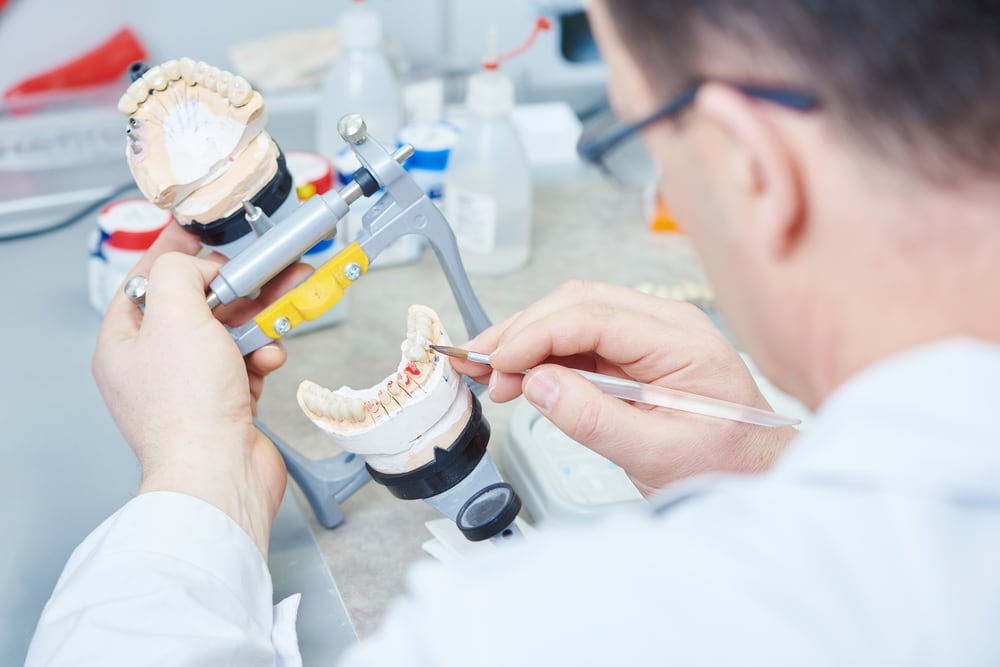
What Is a Prosthodontist?
If you’re wondering, “What is a prosthodontist?” The simple answer is this: a prosthodontist is a dental specialist who focuses on restoring and replacing teeth. Although all dentists care for your oral health, prosthodontists receive advanced training in more complex dental restorations and cosmetic procedures.
Prosthodontists specialize in prosthesis dentistry, which includes creating and placing dental prosthetics such as crowns, bridges, dentures, and implant restorations. Their work goes beyond filling cavities. They focus on rebuilding smiles in a way that restores function, improves appearance, supports proper bite alignment, and protects long-term oral health.
These specialists usually handle complicated dental cases. This can include patients with multiple missing teeth, severe wear, jaw alignment issues, or those who need full-mouth rehabilitation. Their goal is to design a treatment plan that gives you a comfortable, natural-looking smile that lasts.
Dentist vs. Prosthodontist – What’s the Difference?
Think of a general dentist as your go-to provider for everyday dental care. They keep your teeth and gums healthy with exams, cleanings, fillings, and crowns. They diagnose problems early, treat common issues, and help you stay on track.
Prosthodontists, on the other hand, are specially trained in restoring and replacing teeth. They perform full-mouth reconstruction, implant-supported restorations, and detailed cosmetic work.
When comparing a prosthodontist vs dentist, the difference lies in training and scope. Both are licensed professionals. Prosthodontists have in-depth knowledge of treatment planning, bite alignment, and durable dental prosthetics. They often treat patients with major tooth loss, severe wear, or dental work that needs to be redone.
General dentists and prosthodontists often work side by side. If you need tooth replacement, detailed implant planning, or a full smile rebuild, your dentist may refer you to a prosthodontist. Together, these professionals plan every step of your care, protect the health of your gums, and create restorations that look natural and fit well.
For patients, a prosthodontist’s additional training brings deeper insight to the treatment plan. They look at how your teeth, bite, and jaw alignment work together, with close attention to long-term stability and natural appearance.
Read our Why See a Prosthodontist article for more information.
Education and Specialized Training of a Prosthodontist
Prosthodontists complete dental school and then enter a three-year residency focused entirely on comprehensive restorative care. During this program, they manage complex, real-world cases under close supervision, often working alongside oral surgeons and other specialists.
Their training covers placing crowns and replacing teeth, but that’s not all. They also learn how to evaluate bone support, assess bite stability, select long-lasting materials, and sequence treatment when multiple procedures are required. Careful planning is a major part of their education, especially in cases that involve dental implants, full-arch restorations, or rebuilding worn teeth.
If you need extensive dental work, this level of schooling and preparation supports high-quality care and better overall results.
Conditions a Prosthodontist Treats
Prosthodontists treat patients who need specialized care, including replacing missing teeth. Whether you’re missing one tooth or several, your options may include bridges, custom dentures, or dental implants.
They also repair teeth that are severely worn, cracked, or broken. When damage affects how your teeth fit together, treatment may involve rebuilding the bite or addressing jaw concerns. In some cases, full-mouth rehabilitation is needed to restore balance and function across the entire smile.
Prosthodontists are also highly involved in dental implant planning and restoration. This includes evaluating bone support, coordinating bone grafting when necessary, and designing implant restorations that fit securely and function as they should.
Technology Used in Prosthodontic Care
Prosthodontic care today is guided by advanced technology that improves both precision and patient comfort. With 3D imaging, your dentist can see detailed views of your teeth and supporting bone before treatment even begins. This makes planning more accurate and helps to prevent complications during or after procedures.
Digital imaging and diagnostic tools capture detailed views of your teeth and guide restoration design. In some cases, this technology makes it possible to create and place a same-day CEREC crown during a single appointment. The same tools also support the precise design of dentures and implant restorations.
When to See a Prosthodontist
You may need to see a prosthodontist if you have multiple missing teeth, ongoing bite problems, severely worn teeth, or are considering dental implants. Early evaluation can prevent small issues from turning into dental emergencies.
If you’re unsure whether specialized care is right for you, scheduling a consultation is a smart first step. A personalized exam and treatment plan can help protect your oral health and help you feel good about your smile. To learn more or schedule an appointment, contact us today.
Comments are closed.